

The Proven Guide on What Is Insulin Resistance and How to Reverse It Safely
The Hidden Struggle with Unexplained Weight Gain and Fatigue
You wake up feeling exhausted even after a full night of sleep. You rely on multiple cups of coffee just to make it through the morning, only to experience a heavy energy crash right after lunch. Despite trying different diets and putting effort into exercising, stubborn weight around your midsection refuses to leave. If this sounds familiar, you might be dealing with a hidden metabolic issue known as insulin resistance.
Many people spend years feeling physically drained because they receive confusing or overly complicated health information. Relying on bad advice often leads to unnecessary struggles, such as:
- Following extreme restriction diets that cause metabolic stress.
- Blaming yourself for a lack of willpower when your hormones are actually imbalanced.
- Wasting money on unproven supplements that promise magic weight loss.
- Ignoring early warning signs until they develop into a chronic condition.
Dealing with unexplained health issues takes a severe toll on your mental peace. It is incredibly frustrating to feel like you are doing everything right, yet your body is not responding. This lack of results can destroy your confidence, leaving you feeling betrayed by your own metabolism. The good news is that you are not alone, and your body is not broken. Understanding exactly how your cells process energy is the first major step toward reclaiming your health. By making practical, science-backed lifestyle changes, you can support your body, rebuild your energy levels, and take back control of your metabolic health safely.
The Science Behind Blood Sugar and Cellular Energy
To understand how to fix a problem, you must first understand how the system works. Every time you eat a meal, your digestive system breaks down carbohydrates into a simple sugar called glucose. This glucose enters your bloodstream, providing the primary source of energy for your brain, muscles, and organs.
However, glucose cannot enter your cells by itself. It needs a specific key to unlock the cellular doors. That key is a hormone called insulin, which is produced by the beta cells in your pancreas. When blood sugar levels rise after a meal, your pancreas releases insulin into your bloodstream. Insulin attaches to receptors on your cells, signaling them to open up and absorb the glucose. Once the glucose moves inside the cells, your blood sugar levels return to a normal, healthy range.
When you develop insulin resistance, this elegant system stops working efficiently. Your cells stop responding to the insulin signal. They become “resistant” to the key. Because the cellular doors stay locked, glucose remains trapped in your bloodstream. Your pancreas senses that blood sugar levels are still high, so it pumps out even more insulin to force the cells to respond.
Over time, this creates a damaging cycle. You end up with high levels of insulin and high levels of blood sugar circulating in your body. This state of hyperinsulinemia promotes fat storage, specifically around your internal organs. If left unmanaged, the pancreas eventually wears out and cannot produce enough insulin to overcome the resistance. According to the Centers for Disease Control and Prevention (CDC), untreated insulin resistance often progresses to prediabetes and eventually type 2 diabetes.
Everyday Habits That Harm Your Metabolic Health
Insulin resistance does not happen overnight. It develops gradually over months and years, often driven by a combination of daily habits, environmental factors, and genetics. While you cannot change your genetics, you have immense power over your daily routine. Understanding the root causes of insulin resistance helps you identify areas in your own life that need attention.
A diet heavy in ultra-processed foods is one of the leading contributors to insulin resistance. Foods that are high in refined carbohydrates, added sugars, and unhealthy trans fats cause rapid spikes in blood sugar. When you constantly flood your system with easily digestible sugars, your pancreas has to work overtime. Over time, the continuous demand for high insulin output causes the cells to become numb to the hormone.
A sedentary lifestyle heavily compounds the problem. Your muscles are the largest consumers of glucose in your body. When you engage in physical activity, your muscles require energy, which makes them highly sensitive to insulin. If you sit at a desk all day and rarely exercise, your muscles do not need as much energy. They shut their doors to glucose, increasing your overall insulin resistance.
Poor sleep quality also plays a massive role in metabolic health. Chronic sleep deprivation increases the production of stress hormones like cortisol. Cortisol signals your liver to release stored glucose into the bloodstream, preparing your body for a “fight or flight” situation. If you are sleep-deprived for weeks or months, this constant elevation of cortisol drastically worsens your insulin resistance. Additionally, people dealing with persistent fatigue often face other nutritional gaps. For example, many individuals experience lingering tiredness and should be aware of the warning signs of vitamin D deficiency, which can further complicate overall wellness.

Silent Warning Signs You Should Never Ignore
One of the most dangerous aspects of insulin resistance is that it often operates silently in the background. Many people live with this condition for years without realizing anything is wrong. Because the pancreas compensates by producing extra insulin, your fasting blood sugar levels might appear normal on standard lab tests for a long time.
However, your body often provides subtle clues that your metabolic health is declining. Recognizing these early warning signs can help you take action before the condition progresses to type 2 diabetes.
- Darkened Skin Patches: A condition called acanthosis nigricans causes patches of skin to become dark, thick, and velvety. This typically occurs in the creases of the neck, armpits, and groin. High levels of circulating insulin cause skin cells to reproduce rapidly, leading to these dark patches.
- Skin Tags: The appearance of multiple small skin tags, particularly around the neck and chest, is heavily linked to high insulin levels.
- Intense Sugar Cravings: When your cells are resistant to insulin, they are starving for energy even though your blood is full of glucose. Your brain interprets this cellular starvation as hunger, triggering intense cravings for sweet, high-carbohydrate foods.
- Brain Fog and Mid-Afternoon Crashes: Your brain relies on a steady supply of glucose. When insulin resistance causes wild fluctuations in blood sugar, you may experience difficulty concentrating, poor memory, and severe energy dips, especially after eating a heavy carbohydrate meal.
- Increased Belly Fat: High insulin promotes fat storage around the internal organs. This visceral fat is highly active and releases inflammatory chemicals that further worsen insulin resistance. Expanding waist circumference is a primary physical indicator of metabolic distress.
If you notice several of these symptoms, it is a smart idea to discuss your metabolic health with a medical professional. Addressing these signs early makes a massive difference in your long-term health trajectory.
How Doctors Test Your Blood Sugar Levels
Getting accurate data about your body is necessary for making informed health decisions. If you suspect you have insulin resistance, a healthcare professional can order specific blood tests to evaluate your metabolic function. Standard yearly physicals often only check fasting glucose, which might not reveal early-stage insulin resistance.
The most common test is the Hemoglobin A1c (HbA1c) test. According to the National Institutes of Health (NIH), the A1c test measures your average blood sugar levels over the past two to three months. It looks at the percentage of red blood cells that have sugar coated on them. While this is an excellent tool for diagnosing prediabetes and diabetes, it might still remain in the normal range if your pancreas is successfully overproducing insulin to keep your blood sugar down.
To get a clearer picture of early insulin resistance, doctors sometimes order a Fasting Insulin test alongside a Fasting Glucose test. By comparing these two numbers, your doctor can calculate your HOMA-IR (Homeostatic Model Assessment for Insulin Resistance) score. A high HOMA-IR score strongly indicates that your body requires excessive amounts of insulin to maintain normal blood sugar levels.
Your doctor will also look at a comprehensive lipid panel. Insulin resistance is closely tied to metabolic syndrome, which often shows up as high triglycerides and low HDL (good) cholesterol. Managing this condition frequently overlaps with strategies for improving heart health. In fact, many dietary adjustments that improve blood sugar also teach you how to lower cholesterol naturally without medication.
Case Study: The Office Worker’s Hidden Struggle
Consider a typical scenario involving a 42-year-old office worker who spends eight hours a day sitting at a computer. Over the last five years, he gradually gained fifteen pounds, mostly around his waist. He felt constantly sluggish by 3:00 PM and relied on sugary snacks from the vending machine to get through the workday.
During a routine checkup, his fasting blood sugar was perfectly normal. However, his doctor noticed his rising blood pressure and increasing waistline. After running a fasting insulin test, the doctor discovered significant insulin resistance.
Because they caught the problem early, the office worker did not need heavy medication. Instead, he started taking a brisk 20-minute walk after lunch and swapped his sugary afternoon snacks for almonds and a piece of fruit. Within six months, his energy levels stabilized, his waistline shrank, and his fasting insulin dropped back to a healthy range. This simple, relatable example highlights how proactive lifestyle changes can safely reverse the trajectory of insulin resistance.
Proven Steps to Reverse Insulin Resistance Naturally
The most empowering fact about metabolic health is that you have a significant amount of control over it. You do not have to accept chronic fatigue and weight gain as an inevitable part of aging. With consistent, mindful lifestyle changes, you can encourage your cells to respond to insulin efficiently again.
Redesign Your Daily Nutrition
Nutrition is the most powerful tool you have to combat insulin resistance. The goal is not to starve yourself or completely eliminate carbohydrates. Instead, the focus should be on minimizing blood sugar spikes and providing your body with high-quality nutrients.
Start by prioritizing dietary fiber. Fiber acts like a sponge in your digestive system, slowing down the absorption of sugar into your bloodstream. This slow, steady release of energy prevents massive insulin spikes. According to the American Heart Association, a high-fiber diet strongly supports heart health and metabolic stability. You can easily increase your fiber intake by eating more leafy greens, broccoli, beans, lentils, and chia seeds.
Next, focus on lean proteins and healthy fats. Protein helps you feel full and satisfied, reducing the urge to snack on sugary foods. Incorporate sources like chicken, fish, tofu, and Greek yogurt into every meal. Healthy fats, such as those found in avocados, olive oil, and walnuts, do not trigger an insulin response. Eating a balance of protein, fat, and fiber at every meal ensures that your blood sugar remains incredibly stable throughout the day.
Avoid drinking your calories. Sugary sodas, fruit juices, and sweetened coffees deliver massive amounts of liquid sugar directly into your liver without any fiber to slow it down. Replacing sugary drinks with water, unsweetened herbal tea, or black coffee is one of the fastest ways to improve insulin resistance.
Build Metabolic Flexibility Through Movement
Your muscles are the engine that burns through excess blood sugar. Building a habit of regular physical activity is necessary for healing insulin resistance. When you exercise, your muscles can actually absorb glucose from the bloodstream without needing insulin at all. This gives your overworked pancreas a much-needed break.
You do not need to perform exhausting, high-intensity workouts to see benefits. In fact, moderate, consistent activity often yields the best results. A concept known as “Zone 2 cardio” – exercising at a pace where you can comfortably hold a conversation – is highly effective for building cellular mitochondria, which improves how your body burns fat and sugar.
Aim for at least 150 minutes of moderate activity per week. Taking a 15-minute walk immediately after a heavy meal is a fantastic strategy to blunt the expected blood sugar spike. Additionally, incorporating resistance training two to three times a week helps build lean muscle mass. The more muscle tissue you have, the more storage space your body has for glucose, which directly lowers your insulin resistance.
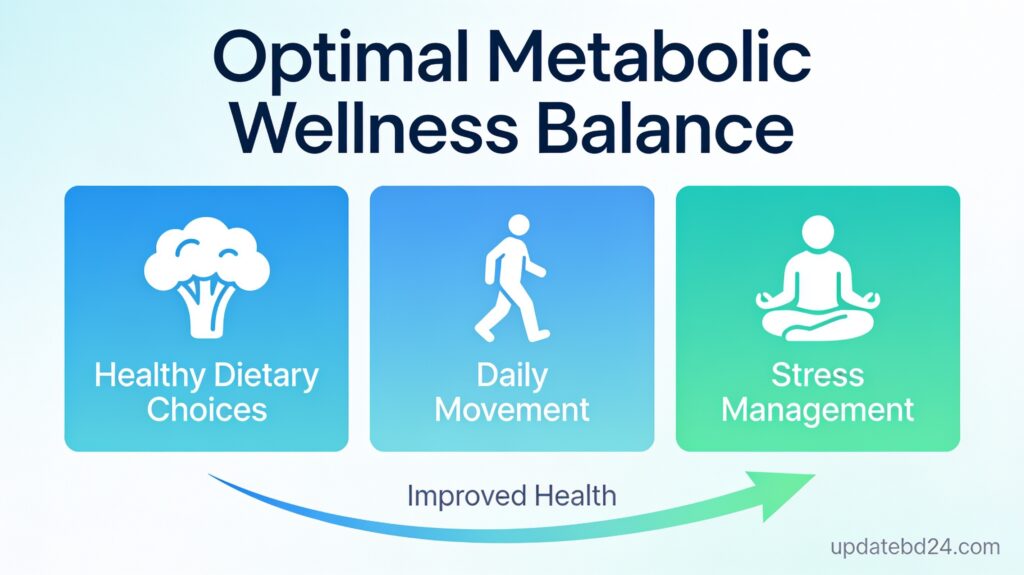
Manage Stress and Prioritize Deep Sleep
Many people ignore the profound impact that stress and sleep have on blood sugar levels. You can eat a perfect diet and exercise daily, but if your body is running on three hours of sleep and high stress, your insulin resistance will likely remain high.
When you are stressed, your body pumps out cortisol and adrenaline. These hormones evolved to help humans escape danger by flooding the bloodstream with quick energy in the form of glucose. If you are constantly stressed by work, finances, or personal relationships, your blood sugar stays elevated all day. Finding practical ways to manage daily stress – such as deep breathing exercises, reading, or spending time in nature – is a required step for metabolic healing.
Sleep is just as critical. During deep sleep, your body repairs cellular damage and regulates hormone production. Consistently getting fewer than seven hours of sleep per night sharply decreases insulin sensitivity. Create a calming bedtime routine, keep your bedroom cool and dark, and avoid looking at bright screens for at least an hour before bed.
When to Seek Medical Support for Metabolic Health
While lifestyle changes are incredibly effective for managing insulin resistance, there are times when medical intervention is necessary. You should never attempt to manage severe symptoms entirely on your own without professional guidance.
Schedule an appointment with a healthcare professional if you experience excessive thirst, frequent urination, blurred vision, or tingling in your hands and feet. These are classic signs that insulin resistance has progressed into full type 2 diabetes.
Your doctor can help you establish a safe baseline for your current health. They may recommend you monitor your blood pressure regularly at home using a validated monitor. High blood sugar often damages blood vessels over time, leading to hypertension. If you find your readings are high, your doctor can guide you, and you can also read about how to lower blood pressure without medication as a complementary lifestyle approach alongside their prescribed treatment.
Always maintain a clear distinction between lifestyle support and medical treatment. Food and exercise support your body’s natural healing processes, but they are not a replacement for necessary medical care if your pancreas is failing.
Common Dieting Mistakes That Ruin Blood Sugar Control
When people first learn they have insulin resistance, they often panic and make drastic, unsustainable changes. Unfortunately, many of these extreme reactions backfire and cause further metabolic damage. Avoid these common pitfalls on your journey to better health.
- Extreme Calorie Restriction: Starving yourself slows down your basal metabolic rate. Your body believes it is in a famine and will hold onto body fat tightly while burning muscle for fuel. Losing muscle mass is the exact opposite of what you want when trying to improve insulin resistance.
- Overusing “Keto” Junk Food: The ketogenic diet is popular for blood sugar control, but many people rely heavily on highly processed keto snacks, artificial sweeteners, and excessive amounts of saturated fat. Instead of eating processed diet foods, focus on whole, single-ingredient foods from nature.
- Ignoring Sleep for Early Workouts: Forcing yourself to wake up at 4:30 AM to hit the gym on only five hours of sleep does more harm than good. The stress of sleep deprivation outweighs the benefits of the workout. Always prioritize getting adequate rest first.
- Going “All or Nothing”: Giving up completely after eating one unhealthy meal is a massive mistake. Reversing insulin resistance is about long-term consistency, not short-term perfection. If you eat a piece of cake at a birthday party, simply return to your healthy habits for the next meal.
Your Action Plan for Better Health Tomorrow
Improving your metabolic health does not require a complicated, expensive regimen. It requires steady, daily commitment to basic biological principles. By understanding how your body processes energy, you can make informed choices that protect your pancreas and increase your cellular sensitivity to insulin.
Start with small, manageable steps. Tomorrow morning, try drinking a large glass of water before your coffee. Add a handful of spinach or some eggs to your breakfast for a protein boost. Commit to taking a ten-minute walk after your largest meal of the day.
These tiny habits compound over time. As your insulin resistance drops, you will likely notice your brain fog lifting, your energy stabilizing, and your clothes fitting better. Stay patient with your body, consult your healthcare team regularly, and celebrate the small victories along the way.
Frequently Asked Questions (FAQs)
Can you completely reverse insulin resistance?
Yes, in many cases, it is highly possible to reverse insulin resistance through dedicated lifestyle changes. If you catch the condition early, adjusting your diet, losing excess body fat, and increasing daily physical activity can restore your cells’ ability to respond properly to insulin. However, “reversal” means keeping the condition in remission through continuous healthy habits. If you return to a sedentary lifestyle and a diet high in processed foods, the insulin resistance will likely return. Always talk to a healthcare professional to track your progress through regular blood tests.
How long does it take to reverse insulin resistance?
It depends entirely on your starting point, genetics, and how consistently you apply lifestyle changes. Some people see significant improvements in their energy levels and fasting insulin scores within just four to eight weeks of starting a consistent exercise routine and reducing refined carbohydrates. For others with more advanced metabolic issues, it may take six months to a year of sustained effort to see substantial physiological changes. Patience is essential. Do not expect decades of metabolic stress to resolve in a few days.
What are the worst foods for insulin resistance?
Certain foods place a massive burden on your metabolic system and should be strictly limited. The worst offenders are sugary beverages like soda, sweet tea, and heavily sweetened coffee drinks, because they flood the liver with liquid sugar almost instantly. Refined carbohydrates, such as white bread, pastries, and sugary breakfast cereals, also cause severe blood sugar spikes. Ultra-processed foods containing artificial trans fats promote cellular inflammation, making it even harder for your body to process insulin correctly. Focusing on whole, unprocessed foods is the safest approach.
Can walking help reverse insulin resistance?
Yes, walking is one of the most effective and accessible ways to improve insulin resistance. When you walk, your leg muscles demand immediate energy, pulling glucose directly out of your bloodstream without requiring much insulin. A brisk 15 to 20-minute walk immediately following a meal significantly blunts the normal spike in blood sugar. Making walking a daily habit helps build mitochondrial efficiency over time, leading to better overall metabolic flexibility and cardiovascular health.
Does apple cider vinegar help with insulin resistance?
Sometimes, adding apple cider vinegar to your routine can offer mild blood sugar support. Studies suggest that consuming a small amount of dilute acetic acid (the active component in vinegar) before a meal may help slow down the digestion of starches, resulting in a lower post-meal blood sugar spike. However, it is not a magic cure. It must be paired with a healthy diet and exercise to be truly effective. If you decide to try it, always dilute a tablespoon in a large glass of water to protect your tooth enamel, and talk to a healthcare professional if you take blood sugar medications to avoid hypoglycemia.
Do you need medication for insulin resistance?
It depends on how advanced your condition is and your personal medical history. Many people successfully manage and reverse insulin resistance strictly through diet, exercise, and weight management. However, if your blood sugar levels are dangerously high or if you have progressed to prediabetes or type 2 diabetes, a doctor may prescribe medications like Metformin to help improve your insulin sensitivity and protect your organs from damage. You must talk to a healthcare professional to determine if medication is right for you, as they can evaluate your lab results and tailor a safe plan.
What is the best diet for insulin resistance?
There is no single “perfect” diet, but eating patterns that emphasize high fiber, lean protein, and healthy fats consistently show the best results. The Mediterranean diet is highly recommended by doctors because it focuses on whole foods like vegetables, fish, olive oil, nuts, and legumes while limiting processed meats and refined sugars. Some people also find success with a moderate low-carbohydrate approach to help stabilize their blood sugar quickly. The most effective diet is one that you can sustain happily for the long term without feeling constantly deprived or stressed.
How does sleep affect insulin resistance?
Sleep profoundly impacts your body’s ability to manage blood sugar. Getting fewer than seven hours of quality sleep increases the production of stress hormones like cortisol, which prompts the liver to release extra glucose into the blood. Poor sleep also decreases your cells’ sensitivity to insulin the very next day. Chronic sleep deprivation leads to increased cravings for sugary, high-calorie foods, making it incredibly difficult to stick to a healthy eating plan. Prioritizing deep, restful sleep is an unavoidable requirement for anyone trying to heal their metabolic system.
The information published on Update BD 24 (updatebd24.com) is provided for educational and informational purposes only. It does not constitute medical advice, diagnosis, or treatment recommendations. The content on this website should not be used as a substitute for advice from a qualified doctor or licensed healthcare professional.
Every person’s health condition is different. Symptoms, medical history, medications, allergies, and treatment outcomes can vary significantly. Information shared in our articles may not apply to your specific situation, and no medical result or health outcome is guaranteed.
Always seek professional medical guidance before making decisions related to your health, diet, exercise, medication, supplements, or treatment plans. Never delay or avoid consulting a healthcare professional because of information you have read on this website.
Update BD 24 does not recommend or endorse any specific medicine, supplement, medical device, treatment, healthcare provider, or product unless clearly stated. Any health-related tools or resources provided on this website are intended for general educational purposes only.
We aim to provide accurate, reliable, and updated health information; however, medical knowledge changes over time. We cannot guarantee that all information is complete, current, or suitable for every individual.
By using this website, you acknowledge that you are responsible for your own health decisions and agree that Update BD 24, its authors, editors, medical reviewers, and contributors are not responsible for any outcomes resulting from the use of this information. Please read our full disclaimer for more details.