Proven Ways on How to Lower Blood Pressure Without Medication Safely
Overcoming the Silent Struggle of High Blood Pressure
Hearing that your blood pressure is creeping up can feel incredibly overwhelming. Many people immediately picture a future tied strictly to daily pill organizers and constant doctor visits. You might feel anxious about the potential side effects of pharmaceuticals, or simply frustrated because you thought you were living a relatively healthy life. This sudden reality check often sends people searching for solutions, specifically wondering how to lower blood pressure without medication.
The problem is that the internet is flooded with conflicting, unverified, and sometimes dangerous health advice. When you try to figure out how to lower blood pressure without medication, you will likely encounter several unhelpful obstacles:
- Quick-fix myths: Ads promising overnight cures using unverified supplements.
- Overly restrictive diets: Meal plans that completely eliminate foods you enjoy, leading to quick burnout.
- Confusing science: Medical jargon that makes simple lifestyle changes feel like a second job.
- Fear-mongering tactics: Articles that create intense anxiety rather than offering actionable, calming steps.
Consuming this type of poor information can severely disrupt your mental peace. When you are stressed about finding accurate answers, your anxiety spikes. Ironically, this added stress can negatively affect your cardiovascular numbers. Feeling lost in a sea of bad advice strips away your confidence, making it much harder to commit to the healthy, sustainable changes your body actually needs.
We understand this frustration. Taking control of your cardiovascular health should empower you, not drain you. Throughout this comprehensive guide, you will learn exactly how to lower blood pressure without medication using gentle, evidence-based lifestyle adjustments. We will break down the science into simple, actionable steps that respect your daily routine and prioritize your long-term well-being.
The Science of Your Cardiovascular System
Before we look into specific actionable steps, understanding your body is the foundation of progress. Your heart is a powerful pump, and your blood vessels are the flexible pipes that carry oxygen-rich blood to every cell. Blood pressure is simply the force of this blood pushing against the walls of your arteries. When this force remains high over time, it strains your heart and blood vessels.
When individuals ask how to lower blood pressure without medication, they are essentially asking how to reduce this excess strain naturally. According to the Centers for Disease Control and Prevention, maintaining healthy levels is essential for preventing serious complications.
Natural methods work because they directly target the root causes of excess arterial pressure. By improving arterial flexibility, reducing fluid retention, and calming the nervous system, you can gently guide your numbers downward. Figuring out how to lower blood pressure without medication is not magic. It is basic biology applied consistently over time.
If you are just beginning this journey, you must start by understanding your baseline numbers. You cannot track your progress if you do not know your starting point. Many people find success by keeping a daily log, which provides tangible evidence that their lifestyle changes are actually working.
Transforming Your Diet for Cardiovascular Health
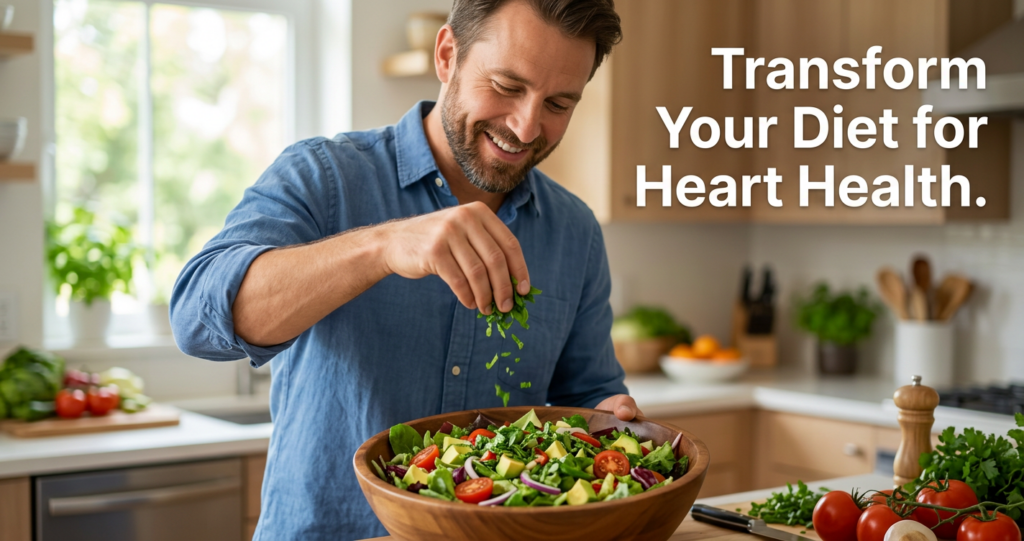
The food you consume daily is one of the most powerful tools you have. When investigating how to lower blood pressure without medication, dietary changes consistently rank at the top of medical recommendations. What you eat directly influences your sodium levels, potassium levels, and overall vascular inflammation.
One of the most heavily researched and proven frameworks is the Dietary Approaches to Stop Hypertension (DASH) diet. This eating plan does not require you to starve or buy expensive specialty foods. Instead, it focuses on common sense adjustments that anyone can implement. If you want to master how to lower blood pressure without medication, mastering your daily meals is a non-negotiable step.
The Role of Sodium and Fluid Retention
Excess sodium in your bloodstream pulls water into your blood vessels. This increases the total volume of blood flowing through your arteries, which directly increases the pressure. The American Heart Association recommends that most adults ideally consume no more than 1,500 milligrams of sodium per day, especially those dealing with hypertension.
Cutting back on the salt shaker is only a tiny part of the equation. Over 70 percent of the sodium Americans consume comes from packaged, processed, and restaurant foods. When mapping out how to lower blood pressure without medication, you must become an expert at reading nutrition labels.
Pro Tip: Pay close attention to the “Salty Six.” These are common foods that pack massive amounts of hidden sodium: breads and rolls, cold cuts and cured meats, pizza, poultry (often injected with saline), soup, and sandwiches. Swapping these out for fresh, whole alternatives is a highly effective way to figure out how to lower blood pressure without medication.
The Power of Potassium, Magnesium, and Calcium
While decreasing sodium is essential, increasing protective minerals is equally important. Potassium helps your body process and eliminate excess sodium through your urine. It also eases tension in your blood vessel walls. This combination is why potassium is a central focus when discussing how to lower blood pressure without medication.
Food Sources Rich in Protective Minerals:
- Potassium: Bananas, sweet potatoes, spinach, avocados, and white beans.
- Magnesium: Almonds, cashews, dark leafy greens, and black beans.
- Calcium: Low-fat yogurt, milk, fortified plant-based milks, and tofu.
When you combine a low-sodium intake with a high-mineral intake, you create the ideal internal environment for healthy blood flow. This dual approach is the cornerstone of how to lower blood pressure without medication effectively.
Myth vs. Reality in Heart-Healthy Eating
Myth: You have to eat bland, tasteless food if you want to protect your heart.
Reality: You can use powerful herbs and spices to flavor your food. Garlic, ginger, turmeric, rosemary, and black pepper add massive flavor without a single milligram of sodium. In fact, many spices contain antioxidants that support vascular health.
Myth: All fats are bad for your heart and will increase your numbers.
Reality: Healthy fats, particularly Omega-3 fatty acids found in salmon, chia seeds, and walnuts, actually help reduce inflammation in the blood vessels. Incorporating these healthy fats is a smart strategy for anyone exploring how to lower blood pressure without medication.
Building a Simple Heart-Healthy Routine
To effectively implement these dietary changes, you need a realistic plan. Trying to overhaul your entire diet in a single day usually leads to frustration. Instead, focus on gradual, manageable swaps.
Here is a practical comparison to help you understand how to lower blood pressure without medication through better food choices:
| Traditional Meal Choice | Heart-Healthy Swap | Why It Works Better |
|---|---|---|
| Canned chicken noodle soup | Homemade vegetable lentil soup | Eliminates massive amounts of hidden sodium and adds high-fiber lentils. |
| White bread with deli turkey | Whole grain wrap with grilled chicken | Removes processed cured meats and adds complex carbohydrates. |
| Salted potato chips | Unsalted mixed nuts or carrot sticks | Provides essential magnesium and healthy fats instead of empty, salty calories. |
| Sugary soda | Sparkling water with fresh lemon | Removes refined sugar, which is linked to inflammation and weight gain. |
By making these simple daily choices, you actively take charge of your health. For those who need more structured guidance on safely reducing your numbers, working alongside a registered dietitian can be incredibly beneficial.
Advanced Lifestyle Adjustments for Long-Term Heart Support
While diet is a massive component, learning how to lower blood pressure without medication requires a full-body approach. Your physical activity levels, your weight, your sleep quality, and your stress management all weave together to determine your cardiovascular health.
Many people successfully use these advanced habits to support their bodies. However, consistency is the true secret. Occasional exercise or a single night of good sleep will not create lasting change. If you are serious about discovering how to lower blood pressure without medication, you must build these habits into your daily routine.
The Mechanics of Physical Activity
Exercise is quite literally medicine for your heart. Regular physical activity strengthens your heart muscle. A stronger heart can pump more blood with less effort. When your heart works less to pump, the force on your arteries decreases. This physical reality is the main reason doctors push exercise for those asking how to lower blood pressure without medication.
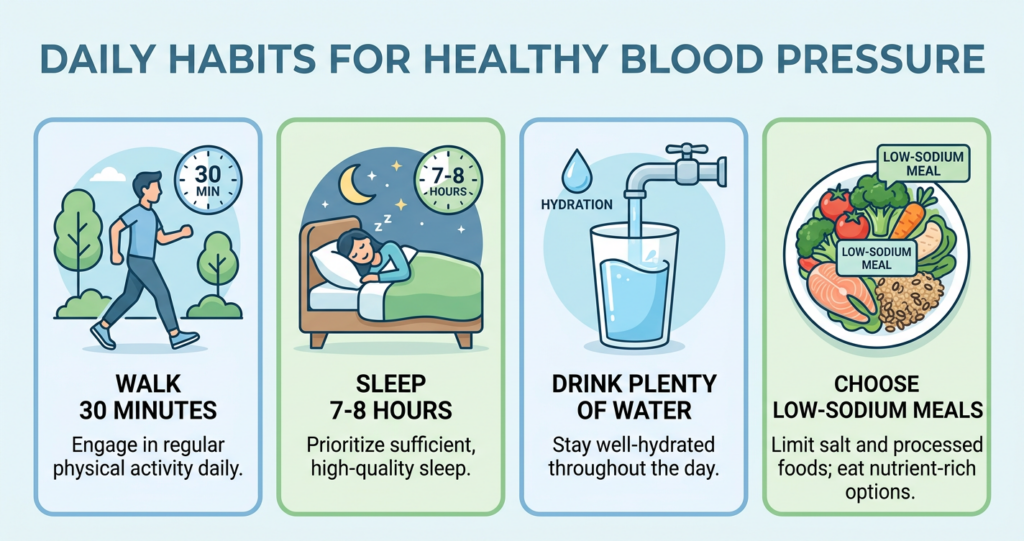
You do not need to become an elite athlete to see real benefits. Health professionals often recommend at least 150 minutes of moderate aerobic activity per week. You can easily break this down into 30 minutes a day, five days a week.
Effective forms of aerobic exercise include:
- Brisk walking around your neighborhood.
- Cycling on a stationary or road bike.
- Swimming laps or taking water aerobics.
- Dancing to your favorite music at home.
In addition to aerobic workouts, dynamic resistance training (like lifting light weights) two to three days a week provides excellent benefits. Before starting any intense exercise program, especially if you have existing health concerns, it is wise to consult a healthcare provider. However, simple movement is a cornerstone of how to lower blood pressure without medication.
The Direct Link Between Weight and Hypertension
Blood pressure often increases as weight increases. Being overweight can cause disrupted breathing while you sleep (sleep apnea), which further raises your numbers. Weight loss is one of the most effective lifestyle changes for controlling your heart health.
Even a modest weight loss of 5 to 10 pounds can significantly reduce your numbers. When people ask how to lower blood pressure without medication, they are often surprised to learn that shedding a small percentage of body weight has such a dramatic impact.
Your waistline is also an important metric. Carrying too much weight around your waist can put you at greater risk. For targeted advice on this topic, exploring resources on keeping your levels steady can provide excellent daily maintenance strategies.
Mastering Sleep Hygiene
Your body repairs itself while you sleep. During deep sleep, your heart rate slows down, and your blood pressure naturally drops. This process gives your cardiovascular system a much-needed rest. Consistently sleeping fewer than six hours a night can contribute to long-term hypertension.
If you are researching how to lower blood pressure without medication, you cannot ignore your sleep habits. Poor sleep disrupts your body’s ability to regulate stress hormones, which keeps your blood vessels restricted.
Practical steps for better sleep hygiene:
- Stick to a strict sleep schedule, going to bed and waking up at the same time every day.
- Create a restful environment that is cool, dark, and quiet.
- Avoid large meals, caffeine, and alcohol right before bedtime.
- Limit screen time for at least an hour before you try to sleep.
The Biological Impact of Stress
Chronic stress puts your body in a constant “fight or flight” mode. When you are stressed, your body produces excess cortisol and adrenaline. These hormones make your heart beat faster and your blood vessels narrow, leading to immediate spikes in pressure.
Learning how to lower blood pressure without medication means learning how to manage your daily stress. You cannot eliminate all stress from your life, but you can change how your body reacts to it.
Mindfulness practices, deep breathing exercises, and meditation are incredibly effective. A simple technique is “box breathing”: inhale for four seconds, hold for four seconds, exhale for four seconds, and hold for four seconds. Practicing this for just five minutes a day can help calm your nervous system. By actively managing your mental state, you master a critical piece of how to lower blood pressure without medication.
Limiting Alcohol and Avoiding Tobacco
It is common knowledge that smoking is terrible for your lungs, but it is equally destructive to your heart. Each cigarette you smoke temporarily raises your blood pressure for many minutes after you finish. Over time, the chemicals in tobacco damage the lining of your artery walls, making them narrower. Quitting smoking is an immediate, powerful step for anyone learning how to lower blood pressure without medication.
Similarly, drinking too much alcohol can raise your numbers by several points. It can also reduce the effectiveness of any progress you are making through diet and exercise. The general recommendation is to limit alcohol to no more than one drink a day for women and two a day for men.
Recognizing When Lifestyle Changes Need Medical Support
While learning how to lower blood pressure without medication is highly beneficial, safety must always come first. Lifestyle adjustments are powerful, but they are not a substitute for professional medical care when your numbers are dangerously high.
According to the Mayo Clinic, if your readings consistently reach 180/120 mm Hg or higher, you are experiencing a hypertensive crisis and need emergency medical assistance immediately. Do not attempt to rely solely on natural methods if you are experiencing symptoms like severe headaches, chest pain, shortness of breath, or visual changes.
There is a clear line between natural daily support and necessary medical intervention. Sometimes, genetics and underlying conditions mean that despite your best efforts, you may still need pharmaceutical support. For information on traditional pathways, you might want to review managing specific treatments with your doctor. Remember, asking how to lower blood pressure without medication should never compromise your immediate safety.
Critical Pitfalls to Avoid When Managing Blood Pressure Naturally
When people begin exploring how to lower blood pressure without medication, they often make well-intentioned but detrimental mistakes. Avoiding these common pitfalls will save you time, frustration, and potential health risks.
Mistake 1: Relying Exclusively on Supplements
Many individuals believe they can continue eating poorly and avoiding exercise as long as they take a trendy garlic or beetroot supplement. While some natural supplements have mild benefits, they cannot outwork a high-sodium diet and a sedentary lifestyle. True success in how to lower blood pressure without medication comes from holistic daily habits, not a magic pill.
Mistake 2: Measuring Incorrectly at Home
If you are tracking your progress at home, you must do it correctly. A common mistake is measuring immediately after drinking coffee, exercising, or while feeling stressed. For accurate results, sit quietly for five minutes before measuring. Keep your arm supported at heart level, and ensure the cuff fits properly. Bad data will give you a false sense of failure or success.
Mistake 3: Giving Up Too Quickly
Natural methods take time. If you start a walking routine and a low-sodium diet on Monday, your numbers likely will not be perfect by Friday. Your body needs time to heal, reduce inflammation, and adapt to the new healthy inputs. Patience is heavily required when understanding how to lower blood pressure without medication.
Mistake 4: Ignoring Hidden Sodium in “Healthy” Foods
Many people switch to eating lots of canned soups, veggie burgers, and salad dressings, thinking they are making healthy choices. Unfortunately, processed health foods are often packed with excessive sodium to improve their shelf life and taste. Always read the labels.
Your Empowering Action Plan for Tomorrow
You now possess a deep understanding of how to lower blood pressure without medication. The key to success is taking action without overwhelming yourself. You do not need to change your entire life today. Small, consistent steps compound into massive health benefits over time.
Use this simple checklist as your starting point for tomorrow morning:
- Hydrate Early: Start your day with a large glass of water instead of reaching immediately for a second cup of coffee.
- Move Your Body: Schedule a 15-minute brisk walk during your lunch break or right after dinner.
- Audit Your Pantry: Pick three high-sodium processed items in your kitchen and replace them with fresh, whole alternatives on your next grocery run.
- Prioritize Rest: Set an alarm for bedtime tonight to ensure you get a full seven to eight hours of high-quality sleep.
- Track Honestly: Take your reading at the same time each day using proper technique, and write it down to monitor your baseline.
Exploring how to lower blood pressure without medication is a highly rewarding journey. By taking control of your diet, increasing your movement, prioritizing rest, and managing stress, you are actively giving your heart the care it deserves. Stay consistent, stay patient, and always partner with your healthcare provider to ensure you are on the safest path for your unique body.
Frequently Asked Questions (FAQs)
Can drinking a lot of water help lower my numbers?
Yes, staying properly hydrated can positively support your cardiovascular system. When you are dehydrated, your blood becomes thicker, and your body releases hormones that constrict your blood vessels, which forces your heart to work harder. Drinking adequate water throughout the day helps maintain proper blood volume and supports your kidneys in flushing out excess sodium. However, if you have specific kidney or heart conditions, you must talk to a healthcare professional about the exact amount of water you should drink daily.
How fast can I see results from lifestyle changes?
It depends entirely on your starting baseline and how consistently you apply the new habits. Some people may notice a slight drop in their numbers within two to three weeks of strictly adopting a low-sodium diet and daily exercise routine. For others, it may take one to three months to see significant, lasting changes. Because natural methods focus on healing the body’s systems, patience is required. If your numbers remain stubbornly high after a few months of effort, consult your doctor.
Does drinking apple cider vinegar reduce blood pressure?
No, there is currently no strong, peer-reviewed scientific evidence proving that apple cider vinegar directly lowers hypertension in humans. While it is a popular home remedy and may offer some mild metabolic benefits, relying on it as a primary treatment is a mistake. Focus instead on proven methods like the DASH diet, reducing sodium, and engaging in aerobic exercise. Always discuss natural remedies with your doctor, as highly acidic vinegar can interact with certain medications and damage tooth enamel.
Can chronic anxiety and stress cause high blood pressure?
Yes, chronic, unmanaged stress is a major contributor to temporary spikes and long-term hypertension. When you are stressed, your body releases a surge of hormones like cortisol and adrenaline, which temporarily cause your heart to beat faster and your blood vessels to narrow. If this happens daily, the continuous strain damages your blood vessels over time. Implementing daily stress reduction techniques, such as deep breathing or meditation, is a highly effective way to support healthy numbers naturally.
What is the best type of exercise for cardiovascular health?
Consistent moderate-intensity aerobic exercise is widely considered the most effective activity for heart health. Activities like brisk walking, swimming, cycling, and dancing train your heart to pump more efficiently. Health professionals recommend aiming for at least 150 minutes of this type of movement every week. Adding light resistance training a couple of times a week is also highly beneficial. If you have been sedentary for a long time, please talk to a healthcare professional before starting any vigorous new workout plan.
Is it safe to stop my current medication if I feel healthy?
No, you should never stop taking prescribed pharmaceuticals without direct medical supervision. Hypertension is known as a “silent killer” because it often has zero noticeable symptoms; feeling healthy does not mean your internal numbers are safe. Abruptly stopping some medications can cause a dangerous rebound effect, leading to a sudden and severe spike in pressure. If you want to transition to natural methods, you must talk to a healthcare professional to create a safe, gradual tapering plan based on your monitored progress.
The information published on Update BD 24 (updatebd24.com) is provided for educational and informational purposes only. It does not constitute medical advice, diagnosis, or treatment recommendations. The content on this website should not be used as a substitute for advice from a qualified doctor or licensed healthcare professional.
Every person’s health condition is different. Symptoms, medical history, medications, allergies, and treatment outcomes can vary significantly. Information shared in our articles may not apply to your specific situation, and no medical result or health outcome is guaranteed.
Always seek professional medical guidance before making decisions related to your health, diet, exercise, medication, supplements, or treatment plans. Never delay or avoid consulting a healthcare professional because of information you have read on this website.
Update BD 24 does not recommend or endorse any specific medicine, supplement, medical device, treatment, healthcare provider, or product unless clearly stated. Any health-related tools or resources provided on this website are intended for general educational purposes only.
We aim to provide accurate, reliable, and updated health information; however, medical knowledge changes over time. We cannot guarantee that all information is complete, current, or suitable for every individual.
By using this website, you acknowledge that you are responsible for your own health decisions and agree that Update BD 24, its authors, editors, medical reviewers, and contributors are not responsible for any outcomes resulting from the use of this information. Please read our full disclaimer for more details.