

Proven Warning Signs of Vitamin D Deficiency You Should Never Ignore
The Hidden Struggle Behind Daily Exhaustion
You wake up after a full night of sleep, yet your body feels heavy. Your joints ache slightly when you step out of bed, and a lingering sense of fatigue follows you throughout the entire day. Many people blame this common scenario on stress, a busy schedule, or simply getting older. However, ignoring these physical messages can prolong your discomfort. Often, these exact symptoms are the earliest warning signs of vitamin D deficiency.
When you do not understand what your body is trying to tell you, you can easily fall into a cycle of confusion and frustration. Relying on bad information or ignoring early symptoms creates several distinct problems:
- You waste money on unnecessary energy drinks or generic supplements that do not target the root cause.
- You experience unnecessary anxiety because you do not know why you feel so physically drained.
- Your overall health declines while you treat the wrong symptoms instead of addressing the core nutritional gap.
- You risk developing long-term bone or immune issues by leaving the actual problem unresolved.
Living with unexplained fatigue takes a significant toll on your mental peace and daily confidence. It is hard to stay positive and productive when your body feels like it is running on an empty battery. Not knowing the reason behind your exhaustion can make you feel helpless. Fortunately, recognizing the specific warning signs of vitamin D deficiency is an empowering first step. Once you identify these signals, you can work with a healthcare professional to restore your balance, regain your energy, and confidently return to your normal daily routines.
What Actually Happens When Your Body Lacks This Nutrient?
Before exploring the exact warning signs of vitamin D deficiency, you need to understand how this unique nutrient works. Unlike other standard vitamins, vitamin D functions more like a hormone within your body. Every single cell in your body has a receptor for it. This means its influence reaches far beyond simply keeping your bones strong. It actively helps your digestive system absorb calcium, supports your immune system in fighting off foreign bacteria, and keeps your nervous system functioning smoothly.
When your levels drop too low, your body begins to rationing the small amount it has left. This rationing process triggers the physical symptoms you experience. Identifying the warning signs of vitamin D deficiency early allows you to take corrective action before minor aches turn into major health complications.
A Detailed Guide to the Warning Signs of Vitamin D Deficiency
Health professionals often recommend paying close attention to gradual changes in how you feel. The warning signs of vitamin D deficiency rarely appear overnight. Instead, they creep up slowly over several months. Here is a comprehensive breakdown of the most common warning signs of vitamin D deficiency to monitor.
1. Unexplained and Persistent Fatigue
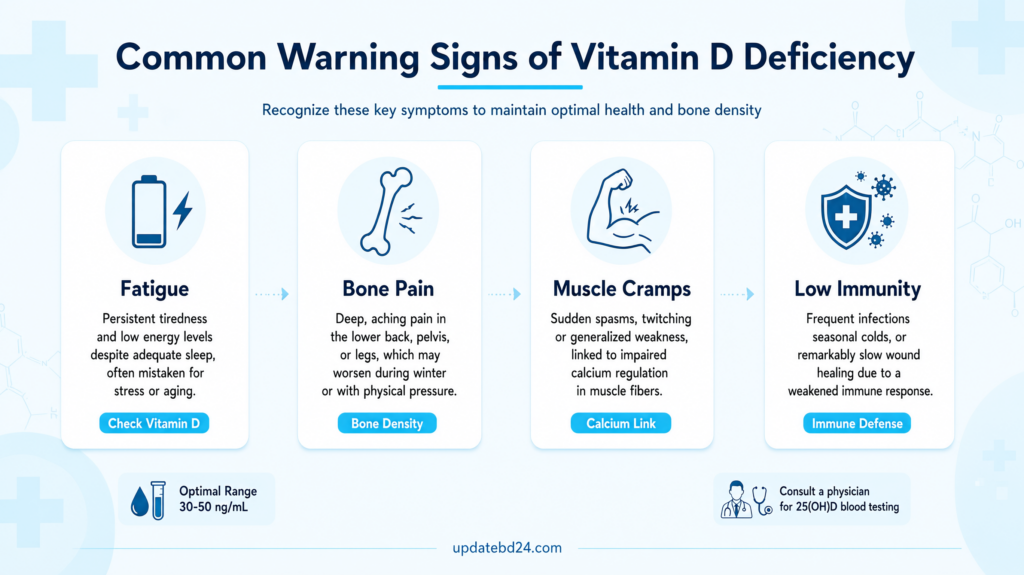
Feeling tired after a long day is completely normal. However, profound exhaustion that does not improve with restful sleep is one of the most common warning signs of vitamin D deficiency. This nutrient plays a direct role in cellular energy production. Without adequate levels, your cells struggle to generate the energy required for basic daily functions.
Many people find that their energy levels crash in the mid-afternoon. According to the National Institutes of Health, low levels of this nutrient are strongly linked to poor sleep quality and daytime fatigue. If you find yourself needing multiple naps just to get through the day, you should consider this a major indicator. Do not write off extreme fatigue as a permanent part of your life. It is often one of the first warning signs of vitamin D deficiency to appear.
2. Deep Bone and Lower Back Aches
Your bones require a constant supply of calcium to maintain their density and strength. Vitamin D is the key that unlocks the door for calcium to enter your bloodstream from your digestive tract. When you experience the warning signs of vitamin D deficiency, your body cannot absorb enough calcium from your food.
To maintain proper blood calcium levels, your body will actually start pulling calcium directly out of your bones. This process weakens the skeletal structure and leads to deep, throbbing bone pain. This pain is frequently felt in the lower back, pelvis, and legs. It is not the sharp pain of a pulled muscle, but rather a dull, constant ache that radiates deep within. If your lower back constantly bothers you without a history of physical injury, you are likely experiencing one of the classic warning signs of vitamin D deficiency.

3. Frequent Illness and Immune System Drops
One of the most essential roles of this nutrient is keeping your immune system strong and balanced. It directly interacts with the cells that are responsible for fighting off infections. If you find yourself catching every cold, flu, or respiratory bug that goes around your workplace, you should pay attention.
A compromised immune response is among the most frustrating warning signs of vitamin D deficiency. People with low levels often report that their colds last much longer than usual. They also experience more severe symptoms from common viruses. Strengthening your immune defenses starts with making sure you are not ignoring these specific warning signs of vitamin D deficiency.
4. Muscle Weakness and Cramping
While bone pain is deeply internal, muscle issues present differently. The warning signs of vitamin D deficiency often include random muscle weakness, frequent cramping, and unexpected twitches. The nerve receptors in your muscles require this nutrient to function smoothly and execute movements.
When levels drop, the communication between your nerves and muscles becomes disrupted. You might notice that climbing stairs suddenly feels much harder, or your grip strength feels significantly weaker than usual. You might also experience sudden muscle spasms in your calves during the night. Acknowledging muscle weakness as one of the physical warning signs of vitamin D deficiency can help you seek the right testing.
5. Mood Changes and Prolonged Sadness
Your mental health is deeply connected to your physical health. The brain contains many receptors for this hormone-like vitamin, particularly in the areas that process mood and behavior. Because of this connection, mood changes and feelings of depression are well-documented warning signs of vitamin D deficiency.
Many people feel unusually sad, disconnected, or highly irritable during the darker winter months. This is commonly known as Seasonal Affective Disorder, and it is heavily linked to a lack of sun exposure. If your mood drops significantly and you cannot find a clear emotional reason, your body might be showing you the psychological warning signs of vitamin D deficiency. Regulating your levels often brings a noticeable improvement to your overall mental outlook.
6. Slow Wound Healing
If you get a small cut or scrape and notice it takes weeks to heal completely, your body is struggling to repair itself. Impaired wound healing is one of the lesser-known warning signs of vitamin D deficiency.
The skin needs this nutrient to produce the compounds necessary for forming new tissue. It helps control inflammation and prevents infections at the site of the injury. When a surgical wound or a minor skin injury refuses to close and heal at a normal pace, health professionals often check for low nutrient levels. Paying attention to how your skin heals helps you catch these subtle warning signs of vitamin D deficiency.
7. Hair Thinning and Unexpected Hair Loss
Finding extra hair in your shower drain or on your pillowcase can be alarming. While genetics and stress play major roles in hair loss, severe nutritional gaps are also a common culprit. Severe hair loss can be one of the visual warning signs of vitamin D deficiency.
This nutrient is highly involved in the normal cycle of the hair follicle. It helps stimulate new hair follicles to grow and maintains the thickness of existing hair strands. When your body is deficient, the hair growth cycle slows down or stops prematurely, leading to noticeable thinning. Addressing the warning signs of vitamin D deficiency early can support your natural hair growth cycle and prevent further shedding.
How Low Nutrient Levels Affect Your Heart Health
One critical area that people often overlook is how these deficiencies impact the cardiovascular system. The warning signs of vitamin D deficiency do not just affect your energy and bones; they have a direct relationship with your heart and blood vessels.
Your blood vessels need adequate levels of this nutrient to remain flexible and relaxed. When you ignore the warning signs of vitamin D deficiency, your blood vessels can become stiff. This stiffness forces your heart to work much harder to pump blood throughout your body. If you are actively trying to maintain your blood pressure in a healthy range, understanding your nutritional status is required.
Many studies suggest a strong link between consistently low nutrient levels and cardiovascular struggles. If you are experiencing multiple warning signs of vitamin D deficiency, you might also see an impact on your daily blood pressure readings. It is very hard to achieve optimal heart health when your body lacks its basic building blocks.
If your doctor has discussed a specific blood pressure treatment plan with you, you should always ask if a nutritional blood test is necessary. Correcting a deficiency naturally supports the flexibility of your arteries. For people looking for lifestyle methods to naturally lower blood pressure, recognizing and resolving the warning signs of vitamin D deficiency provides an excellent foundation for long-term cardiovascular health.
Case Study: Separating Myth from Reality
When evaluating the warning signs of vitamin D deficiency, it is easy to get confused by popular myths. Here is a clear look at what is true and what is simply a misunderstanding.
Myth: Only older adults experience the warning signs of vitamin D deficiency.
Reality: People of all ages, including teenagers and young adults, can develop severe deficiencies, especially if they spend most of their time indoors.
Myth: If you drink a glass of milk every day, you will not get a deficiency.
Reality: While fortified milk provides some nutrients, it is rarely enough to correct a severe deficiency on its own. You need sunlight, targeted foods, and sometimes supplementation.
Myth: The warning signs of vitamin D deficiency are always obvious.
Reality: The symptoms are often very subtle and easily mistaken for general stress, making a blood test the only definitive way to know for sure.
Recognizing the truth about these symptoms helps you respond effectively to the warning signs of vitamin D deficiency rather than relying on outdated advice.
Advanced Strategies to Address the Warning Signs of Vitamin D Deficiency
Once you recognize the warning signs of vitamin D deficiency, you need a safe and practical approach to support your body. Long-term cardiovascular health and strong bones require consistent, daily habits. You cannot fix a deep deficiency with a single day in the sun. Instead, you must build a comprehensive lifestyle routine.
Safe Sunlight Exposure Practices
The most natural way to overcome the warning signs of vitamin D deficiency is through safe sun exposure. When UVB rays from the sun hit your skin, they interact with a specific protein to synthesize the nutrient naturally.
- Timing matters: Midday sunlight is generally the most effective time for synthesis.
- Duration: Health professionals often recommend 15 to 30 minutes of sun exposure on your arms and legs several times a week.
- Skin tone variations: People with darker skin tones have more melanin, which acts as a natural sunblock. They usually need more time in the sun to produce the same amount of the nutrient compared to people with lighter skin.
You do not need to burn your skin to get the benefits. Always avoid sunburns, as skin damage creates entirely different health risks. Finding the right balance of safe sun exposure is a powerful way to reverse the warning signs of vitamin D deficiency.
Strategic Dietary Adjustments
While sunshine is the best source, your diet also plays a major role in preventing the warning signs of vitamin D deficiency. Very few foods naturally contain high amounts of this nutrient, so you must choose wisely.
Focus on incorporating fatty fish into your weekly meals. Salmon, mackerel, and sardines are excellent natural sources. Egg yolks and specific types of mushrooms that have been exposed to UV light also provide natural support. Many grocery stores offer fortified foods, such as certain dairy products, plant-based milks, and breakfast cereals. According to the Centers for Disease Control and Prevention, combining nutrient-dense foods with a balanced diet supports long-term physical health and immunity. Adding these specific foods to your weekly grocery list is a proactive way to combat the warning signs of vitamin D deficiency.
Understanding Absorption and Cofactors
If you and your doctor decide that a supplement is necessary, you need to understand how absorption works. Because this is a fat-soluble vitamin, your body absorbs it much better when you consume it alongside healthy fats. Taking a supplement with a meal that includes olive oil, avocado, or nuts significantly improves how much your body actually uses.
Additionally, this nutrient does not work alone. It relies on cofactors like magnesium and Vitamin K2 to function properly. Magnesium helps convert the supplement into its active, usable form. Vitamin K2 ensures that the calcium absorbed by your body is directed into your bones rather than settling in your arteries. Ignoring these cofactors is a primary reason why some people continue to experience the warning signs of vitamin D deficiency even after starting a supplement routine.
When to Seek Medical Help
There is a distinct line between normal lifestyle support and the need for professional medical treatment. If you are trying to resolve the warning signs of vitamin D deficiency through diet and sunlight, but you still feel exhausted and achy after several months, you need to consult a healthcare professional.
You should seek immediate medical guidance if you experience severe bone pain that prevents you from walking, sudden and extreme muscle weakness, or heart palpitations. You should always use a validated blood pressure monitor at home and discuss any unusually high or low readings with your doctor. A simple blood test called the 25-hydroxy vitamin D test is the only accurate way to measure your exact levels. Guessing your dosage without a test can be dangerous, as taking too much can lead to calcium buildup in your blood. Relying on medical testing provides a clear path forward when treating the warning signs of vitamin D deficiency.
Common Mistakes People Make When Spotting Symptoms
When people first notice the warning signs of vitamin D deficiency, they often rush to fix the problem and make several critical mistakes. Understanding these pitfalls can save you time, money, and unnecessary frustration.
Relying Exclusively on Sunscreen During Brief Sun Exposure
While protecting your skin from severe UV damage is necessary for skin cancer prevention, wearing heavy sunscreen 100% of the time blocks the specific rays needed to synthesize this nutrient. A common mistake is applying high-SPF sunscreen immediately before a short 15-minute walk, which completely stops the natural production process. Finding a safe, small window of unprotected sun exposure, followed by proper sun protection, is key to managing the warning signs of vitamin D deficiency.
Taking Supplements on an Empty Stomach
As mentioned earlier, taking a fat-soluble supplement with just a glass of water on an empty stomach is highly inefficient. Many people complain that they still feel the warning signs of vitamin D deficiency after months of supplementation, only to realize their body was simply flushing the pill away without absorbing it. Always pair it with a fat source.
Assuming a Multivitamin is Enough
Many generic multivitamins contain a very small amount of this specific nutrient, usually around 400 IU. For someone actively experiencing the severe warning signs of vitamin D deficiency, this small amount will barely make a difference. Clinical deficiencies often require targeted, high-dose interventions prescribed by a doctor. Relying on a basic multivitamin when you have a severe deficiency allows the symptoms to worsen over time.
Ignoring the Difference Between D2 and D3
There are two main forms of supplements available. D2 is derived from plants, while D3 is derived from animals and is the exact form your body produces in the sun. Studies show that D3 is significantly more effective at raising and maintaining your blood levels. According to the Mayo Clinic, knowing exactly what you are taking ensures you get the best results. Choosing the less effective form is a frequent mistake for those trying to clear up the warning signs of vitamin D deficiency.
Your Action Plan for Tomorrow
Now that you understand the complex warning signs of vitamin D deficiency, you can take deliberate steps to improve your physical well-being. Start by keeping a brief daily journal of your symptoms. Write down when you feel the most fatigued, where your bones ache, and how often you get sick. Having this written record makes your conversation with your doctor much more productive.
Next, evaluate your current lifestyle. Ask yourself how much direct sunlight you actually get each week. Look at your grocery list and see if you are actively avoiding healthy fats and fish. Make a commitment to step outside for a short 15-minute walk during your lunch break tomorrow. Small, consistent daily choices build the foundation of a healthy life. By acknowledging and acting upon the warning signs of vitamin D deficiency, you are actively choosing to support your heart, bones, and daily energy.
Frequently Asked Questions (FAQs)
Can warning signs of vitamin D deficiency go away on their own?
No, they typically do not resolve themselves without specific lifestyle changes or medical intervention. If you are experiencing the warning signs of vitamin D deficiency, your body is telling you that its reserves are depleted. You must actively increase your levels through safe sun exposure, dietary changes, or proper supplementation. Ignoring the symptoms usually leads to worsening fatigue, increased bone pain, and a higher risk of developing long-term skeletal or cardiovascular issues. Talk to a healthcare professional to create a safe plan to restore your nutrient levels.
What is the most common sign of low vitamin D?
Severe, unexplained fatigue is widely considered the most frequent and earliest warning sign. While many people experience bone pain or muscle cramps, extreme tiredness that does not improve with deep sleep is usually the first indicator. The warning signs of vitamin D deficiency interrupt cellular energy production, leaving you feeling constantly drained. If you frequently need naps during the day despite sleeping a full eight hours at night, you should ask your doctor for a simple blood test.
How long does it take to fix a deficiency?
It depends on how severely depleted your levels are and the treatment method you use. For most people, it takes several weeks to a few months of consistent supplementation to reverse the warning signs of vitamin D deficiency. You will not feel better overnight. Your body needs time to safely absorb the nutrient, distribute it to your cells, and repair the affected tissues. A healthcare professional will likely recommend re-testing your blood levels after three months of treatment to ensure your numbers are moving in the right direction.
Can a lack of vitamin D cause weight gain?
Sometimes, there is a strong association between low levels of this nutrient and an increase in body weight. While the warning signs of vitamin D deficiency do not directly create fat cells, the extreme fatigue and muscle weakness often lead to a highly inactive lifestyle. Furthermore, this vitamin is fat-soluble, meaning it can become trapped in excess fat tissue, making it harder for your body to utilize it effectively. Maintaining healthy levels may support your overall metabolism and energy for regular physical exercise.
Do the warning signs of vitamin D deficiency cause high blood pressure?
Sometimes, severe deficiencies are linked to increased cardiovascular strain and blood vessel stiffness. The warning signs of vitamin D deficiency indicate that your body lacks the nutrients required to keep your arteries flexible and relaxed. When arteries stiffen, the heart must pump harder, which can elevate your blood pressure readings. If you are managing your cardiovascular health, talk to a healthcare professional about having your nutritional levels checked, as correcting a deficiency can naturally support your heart health goals.
Are there neurological warning signs of vitamin D deficiency?
Yes, mood changes, brain fog, and difficulty concentrating are distinct neurological indicators. The brain relies heavily on this nutrient for proper cognitive function and emotional regulation. Many people experiencing the warning signs of vitamin D deficiency report feeling unusually forgetful or struggling to focus on simple daily tasks. Because these symptoms mirror general stress or depression, they are often misdiagnosed. Proper blood testing can determine if your mental fog is actually a nutritional issue.
How much sunlight do I need to avoid these signs?
It depends entirely on your skin tone, geographic location, and the time of year. Generally, 15 to 30 minutes of midday sun exposure several times a week is sufficient for many people. To prevent the warning signs of vitamin D deficiency, you need to expose a significant amount of skin, such as your arms and legs, without heavy sunscreen for that short duration. However, always be careful to avoid sunburns, and talk to a healthcare professional if you have a family history of skin complications.
The information published on Update BD 24 (updatebd24.com) is provided for educational and informational purposes only. It does not constitute medical advice, diagnosis, or treatment recommendations. The content on this website should not be used as a substitute for advice from a qualified doctor or licensed healthcare professional.
Every person’s health condition is different. Symptoms, medical history, medications, allergies, and treatment outcomes can vary significantly. Information shared in our articles may not apply to your specific situation, and no medical result or health outcome is guaranteed.
Always seek professional medical guidance before making decisions related to your health, diet, exercise, medication, supplements, or treatment plans. Never delay or avoid consulting a healthcare professional because of information you have read on this website.
Update BD 24 does not recommend or endorse any specific medicine, supplement, medical device, treatment, healthcare provider, or product unless clearly stated. Any health-related tools or resources provided on this website are intended for general educational purposes only.
We aim to provide accurate, reliable, and updated health information; however, medical knowledge changes over time. We cannot guarantee that all information is complete, current, or suitable for every individual.
By using this website, you acknowledge that you are responsible for your own health decisions and agree that Update BD 24, its authors, editors, medical reviewers, and contributors are not responsible for any outcomes resulting from the use of this information. Please read our full disclaimer for more details.